Spend £150 for 20% Off | Spend £500 for 30% Off
Spend £150 for 20% Off | Spend £500 for 30% Off
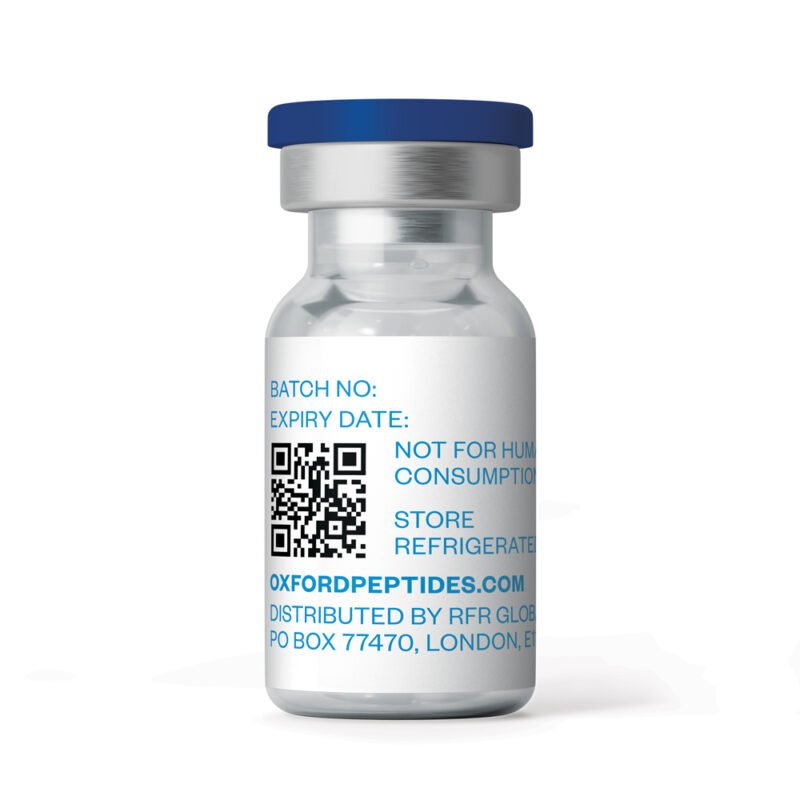



£34.90
| Volume Pricing | |
|---|---|
| Spend £150+ (20% off) | £23.12 |
| Spend £500+ (30% off) | £20.23 |
Spending over £1000? Email us your order and we will custom price.
Free shipping on orders over £20

ALL ARTICLES AND PRODUCT INFORMATION PROVIDED ON THIS WEBSITE ARE FOR INFORMATIONAL AND EDUCATIONAL PURPOSES ONLY.
The products offered on this website are furnished for in-vitro studies only. In-vitro studies are performed outside of the body. These products are not medicines or drugs and have not been approved to prevent, treat or cure any medical condition, ailment or disease. Bodily introduction of any kind into humans or animals is strictly forbidden.
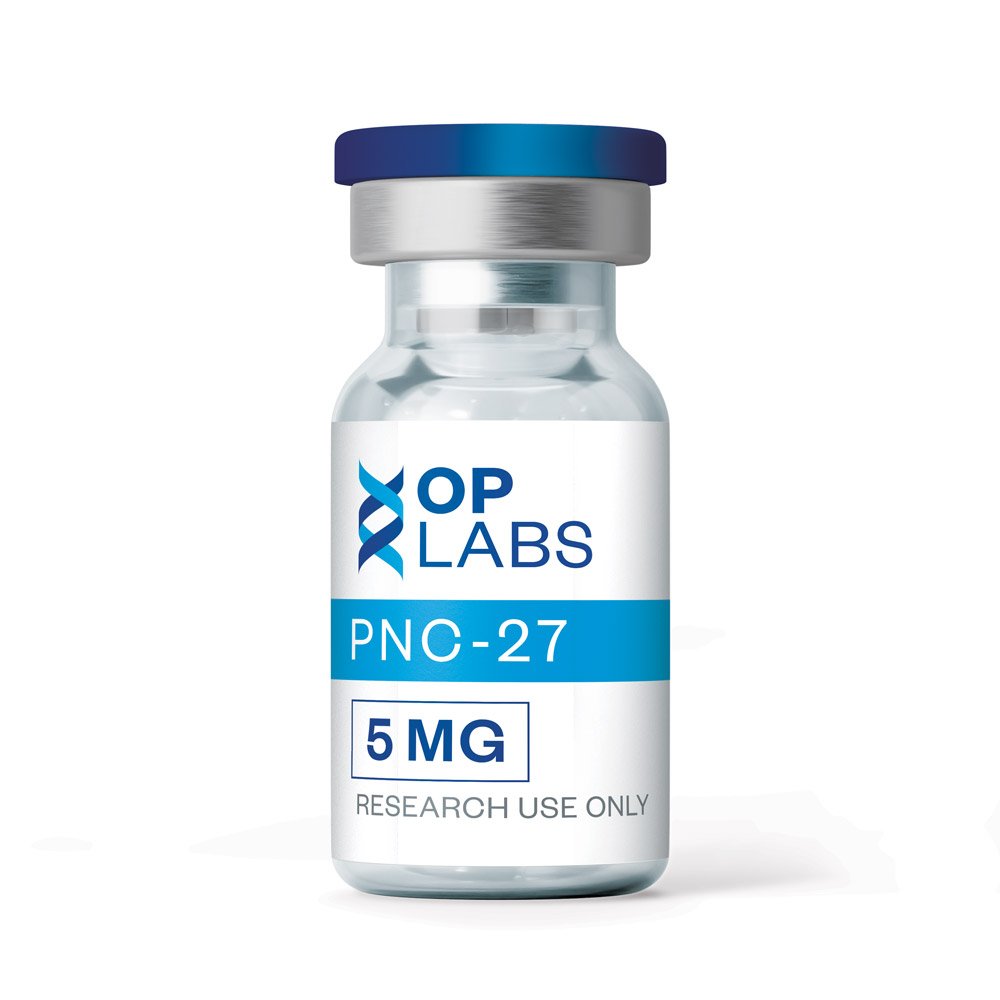
PNC-27 is a synthetic peptide derived from the HDM-2–binding domain of the tumor suppressor protein p53, conjugated to a membrane-penetrating leader sequence. It was developed as a structurally defined research tool to investigate selective cancer cell membrane disruption and p53-associated anticancer mechanisms.
In biochemical and cellular research models, PNC-27 has been shown to preferentially interact with HDM-2 proteins expressed on the surface of certain cancer cells, leading to membrane pore formation and rapid necrotic cell death. Experimental studies focus on peptide–membrane interactions, cancer cell selectivity, and downstream signalling effects under controlled conditions. Observed effects depend on experimental design, concentration, and model system.
• Investigation of p53-related tumour suppressor mechanisms
• Studies of cancer cell–selective membrane disruption
• In vitro cytotoxicity and membrane interaction assays
• Use as a reference compound in peptide-based anticancer research
• Weigh under dry conditions; peptide is hygroscopic
• Reconstitute in sterile water or suitable buffered aqueous solution
• Avoid vigorous agitation during dissolution
• Filter sterilize if required (0.22 µm) prior to use
• Aliquot and store reconstituted solutions at –20 °C or lower
• Avoid repeated freeze–thaw cycles
Purity: ≥ 99 %
Appearance: White to off-white lyophilised powder
Peptide Type: Synthetic p53-derived peptide
Molecular Weight: 4031.72 g/mol
Solubility: Water, buffered aqueous solutions
Storage: –20 °C, desiccated, protected from light
Pack Size: 5 mg
• Experimental behaviour of PNC-27 is influenced by membrane composition, peptide concentration, and model system
• Peptide exhibits selective cytotoxicity in cancer cell models and should be handled with care
• Not intended to infer clinical safety or therapeutic use
• Appropriate controls are essential in cytotoxicity studies
• Intended strictly for laboratory research use; not for human or veterinary application