Spend £150 for 20% Off | Spend £500 for 30% Off
Spend £150 for 20% Off | Spend £500 for 30% Off


£14.50
| Volume Pricing | |
|---|---|
| Spend £150+ (20% off) | £23.12 |
| Spend £500+ (30% off) | £20.23 |
Spending over £1000? Email us your order and we will custom price.
Out of stock
Free shipping on orders over £20

ALL ARTICLES AND PRODUCT INFORMATION PROVIDED ON THIS WEBSITE ARE FOR INFORMATIONAL AND EDUCATIONAL PURPOSES ONLY.
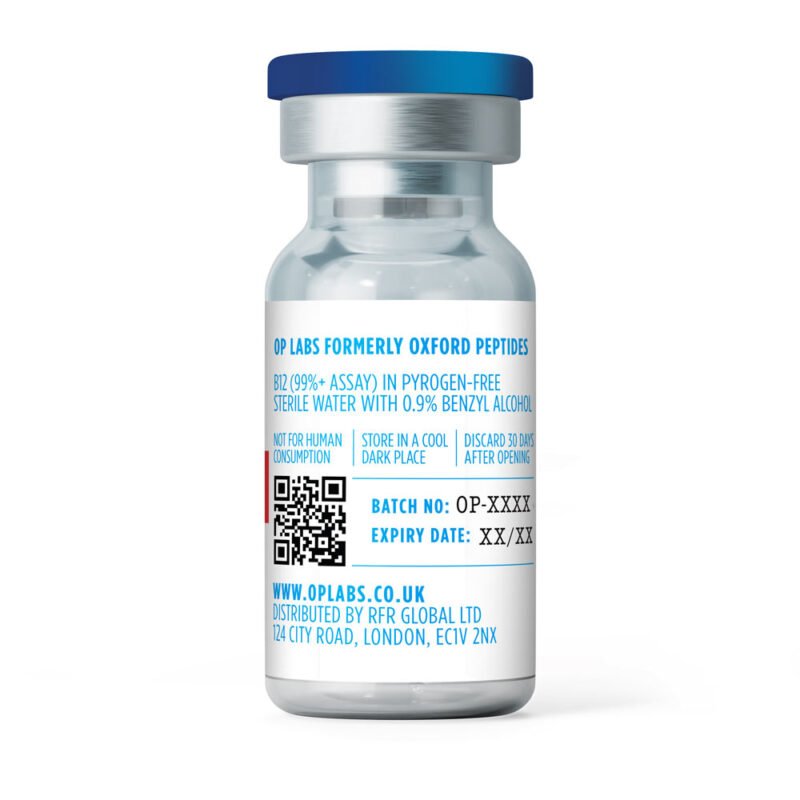
The products offered on this website are furnished for in-vitro studies only. In-vitro studies are performed outside of the body. These products are not medicines or drugs and have not been approved to prevent, treat or cure any medical condition, ailment or disease. Bodily introduction of any kind into humans or animals is strictly forbidden.
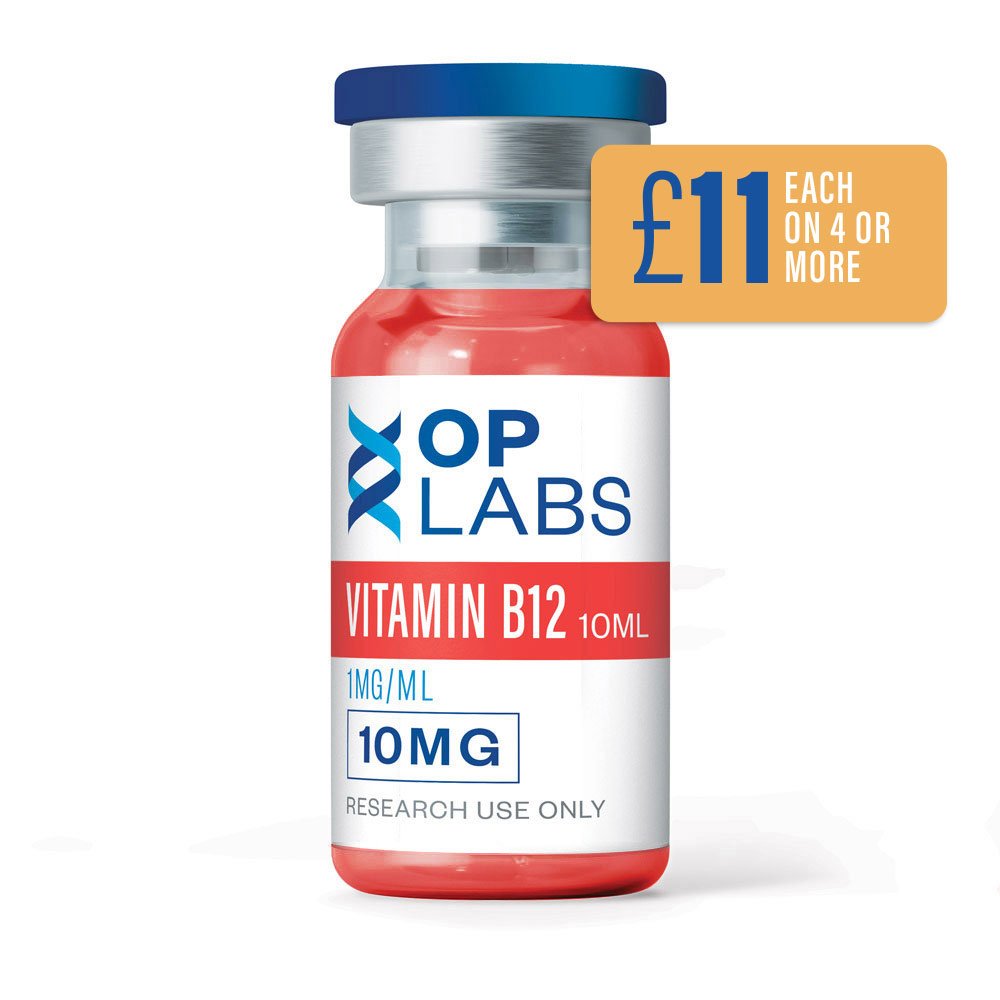
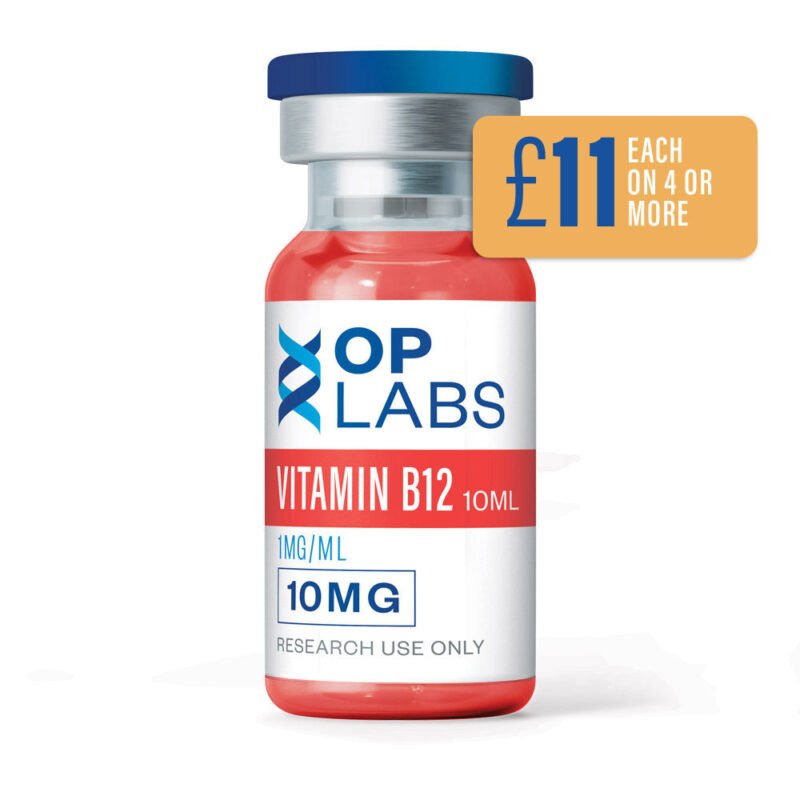
Vitamin B-12 is a water-soluble, cobalt-containing vitamin essential for fundamental biochemical processes in cellular metabolism. It functions as a cofactor for key enzymatic reactions involved in one-carbon metabolism, nucleic acid synthesis, and mitochondrial energy regulation.
In biochemical and cellular research systems, Vitamin B-12–dependent enzymes such as methionine synthase and methylmalonyl-CoA mutase are studied for their roles in DNA synthesis, amino acid metabolism, and fatty acid processing. Experimental models utilise Vitamin B-12 to investigate cofactor-dependent enzymatic activity, intracellular transport mechanisms, and nutrient–enzyme interactions under controlled conditions.