Description
Description & Mechanism
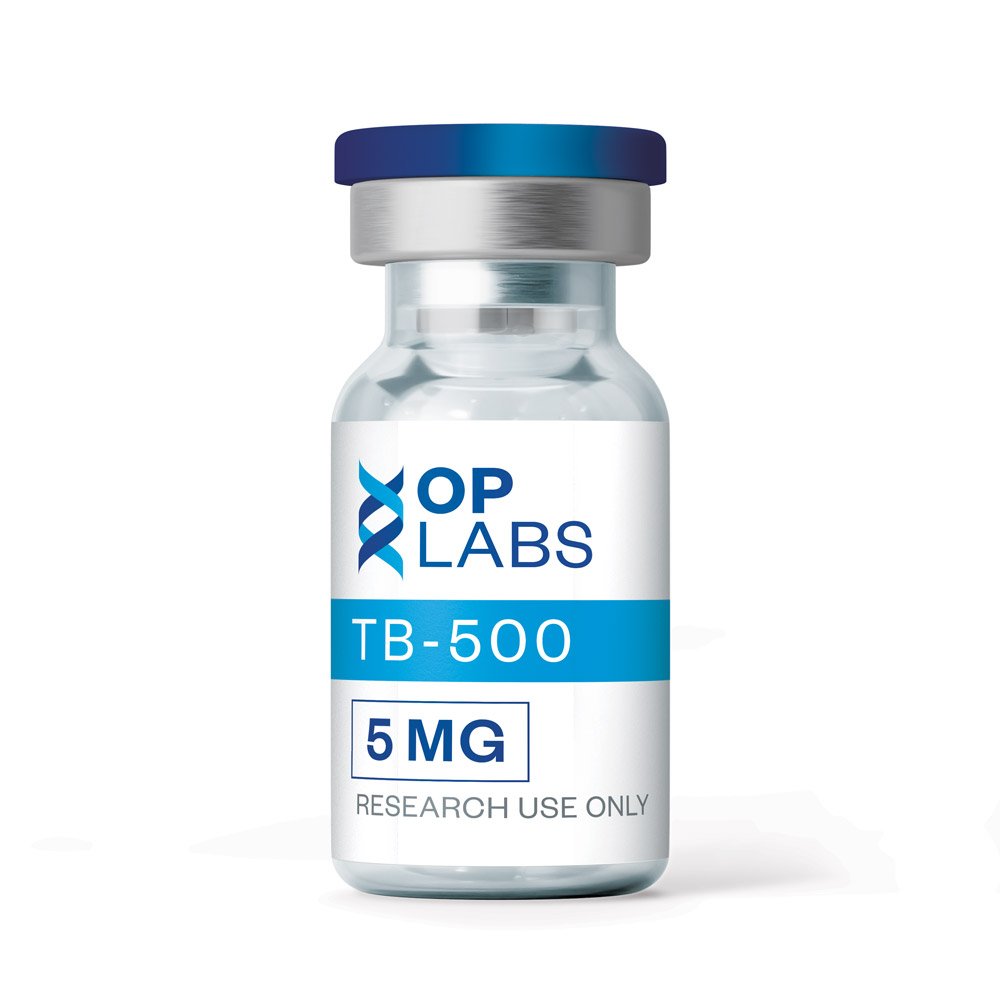
TB-500 is a synthetic peptide derived from the active region of thymosin beta-4, developed for experimental investigation of actin-binding dynamics, cell migration, and cytoskeletal organisation in controlled research settings.
In biochemical and cellular research models, thymosin beta-4–related peptides are studied for their interaction with G-actin, influencing actin polymerisation and cytoskeletal remodelling. Observed responses depend on peptide concentration, exposure duration, cell type, and experimental conditions.
Applications in Research
• Investigation of actin dynamics and cytoskeletal regulation
• In vitro studies of cell migration and cellular organisation
• Experimental models examining tissue structure and repair signalling
• Reference peptide in thymosin beta-4–related research
Handling, Reconstitution & Stability
- Weigh under dry conditions; peptide may be hygroscopic.
- Reconstitute in sterile water or appropriate buffered aqueous solution.
- Avoid vigorous agitation during dissolution.
- Filter sterilize if required.
- Aliquot and store reconstituted solutions at –20 °C or lower.
- Avoid repeated freeze–thaw cycles.
Precautions & Notes
- Experimental outcomes depend on cell type and assay conditions.
- Buffer composition, pH, and ionic strength may influence peptide stability.
- Appropriate controls are recommended.
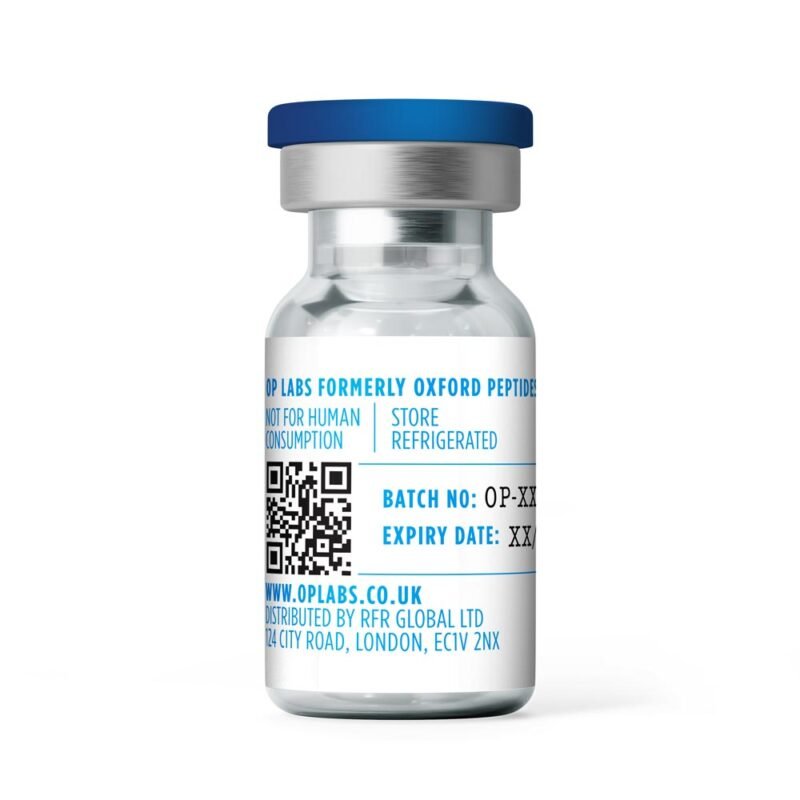
- Intended strictly for laboratory research use only.