Spend £150 for 20% Off | Spend £500 for 30% Off
Spend £150 for 20% Off | Spend £500 for 30% Off
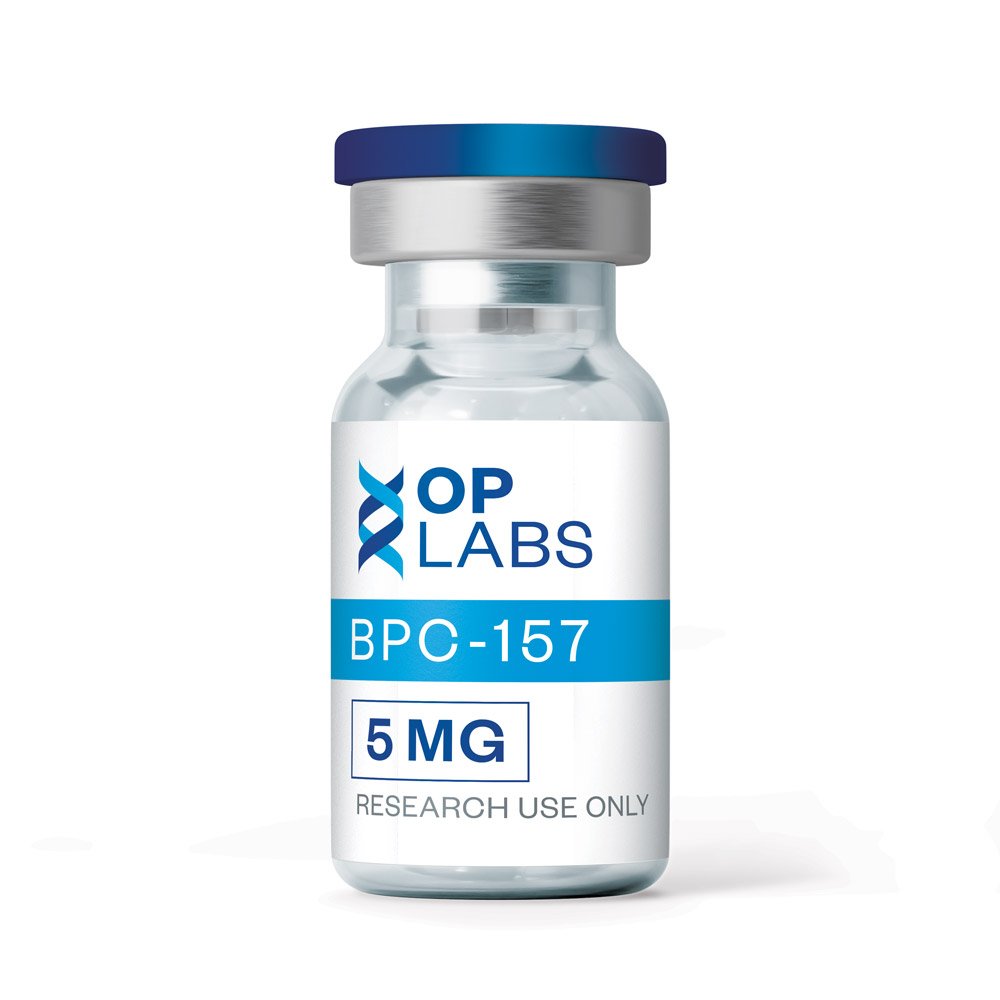



£13.99
| Volume Pricing | |
|---|---|
| Spend £150+ (20% off) | £23.12 |
| Spend £500+ (30% off) | £20.23 |
Spending over £1000? Email us your order and we will custom price.
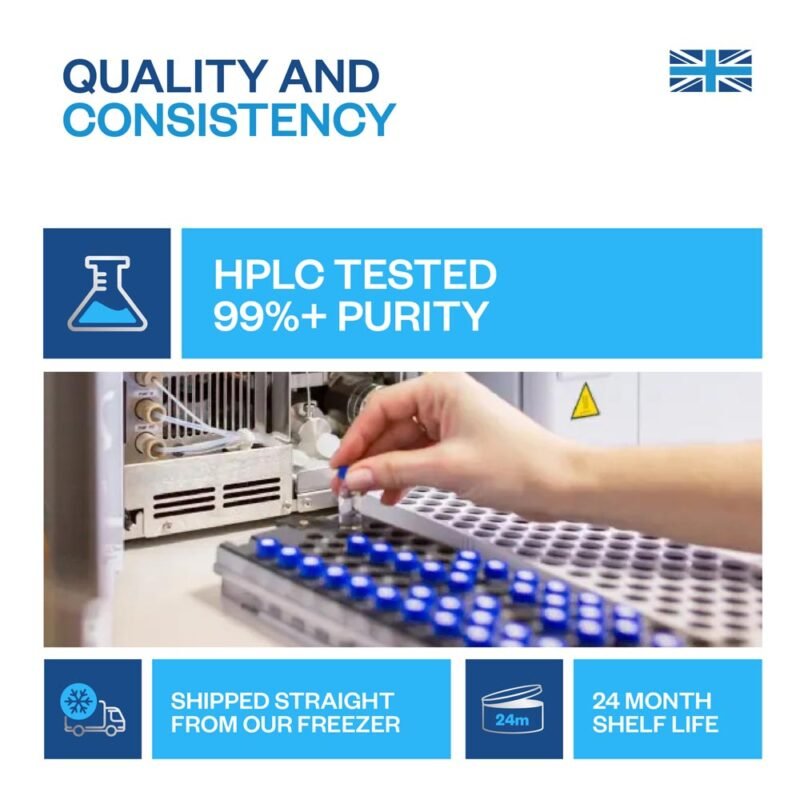
Free shipping on orders over £20

ALL ARTICLES AND PRODUCT INFORMATION PROVIDED ON THIS WEBSITE ARE FOR INFORMATIONAL AND EDUCATIONAL PURPOSES ONLY.
The products offered on this website are furnished for in-vitro studies only. In-vitro studies are performed outside of the body. These products are not medicines or drugs and have not been approved to prevent, treat or cure any medical condition, ailment or disease. Bodily introduction of any kind into humans or animals is strictly forbidden.
BPC-157 is a synthetic oligopeptide consisting of fifteen amino acids, corresponding to a defined sequence originally identified within a larger gastric-derived protein. In research contexts, it is studied as a discrete pentadecapeptide with reproducible physicochemical properties, allowing its use in biochemical, cellular, and preclinical experimental systems.
In biochemical and cellular research models, BPC-157 has been reported to interact with multiple signalling pathways, including nitric oxide–associated mechanisms, growth factor-related signalling, and cytoskeletal regulatory processes. Observed molecular and cellular responses are highly dependent on experimental conditions, concentration, exposure duration, and model system. As such, BPC-157 is utilised as a molecular probe for investigating peptide-mediated signalling behaviour rather than defined biological or physiological outcomes.
| Parameter | Typical Value / Range |
|---|---|
| Purity (HPLC) | ≥ 99 |
| Appearance | White to off-white lyophilised powder |
| Molecular Weight | 1479.6 g/mol |
| Peptide Type | Synthetic pentadecapeptide |
| Solubility | Water, buffered aqueous solutions |
| Storage | –20 °C, desiccated, dark |
| Pack Size | 3,000 mg (bulk) |