Spend £150 for 20% Off | Spend £500 for 30% Off
Spend £150 for 20% Off | Spend £500 for 30% Off

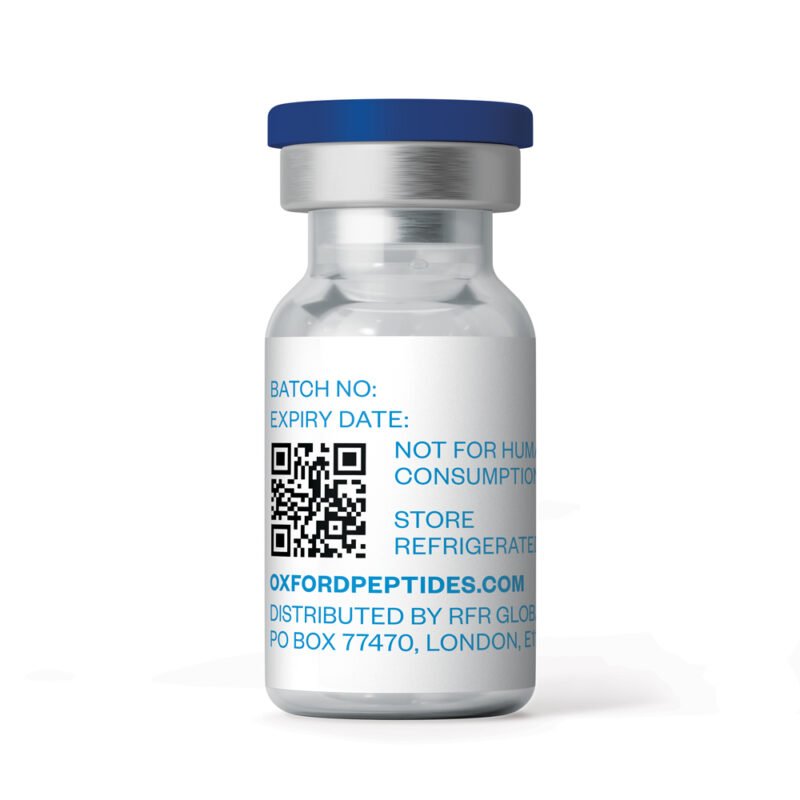



£18.90
| Volume Pricing | |
|---|---|
| Spend £150+ (20% off) | £23.12 |
| Spend £500+ (30% off) | £20.23 |
Spending over £1000? Email us your order and we will custom price.
Free shipping on orders over £20

ALL ARTICLES AND PRODUCT INFORMATION PROVIDED ON THIS WEBSITE ARE FOR INFORMATIONAL AND EDUCATIONAL PURPOSES ONLY.
The products offered on this website are furnished for in-vitro studies only. In-vitro studies are performed outside of the body. These products are not medicines or drugs and have not been approved to prevent, treat or cure any medical condition, ailment or disease. Bodily introduction of any kind into humans or animals is strictly forbidden.
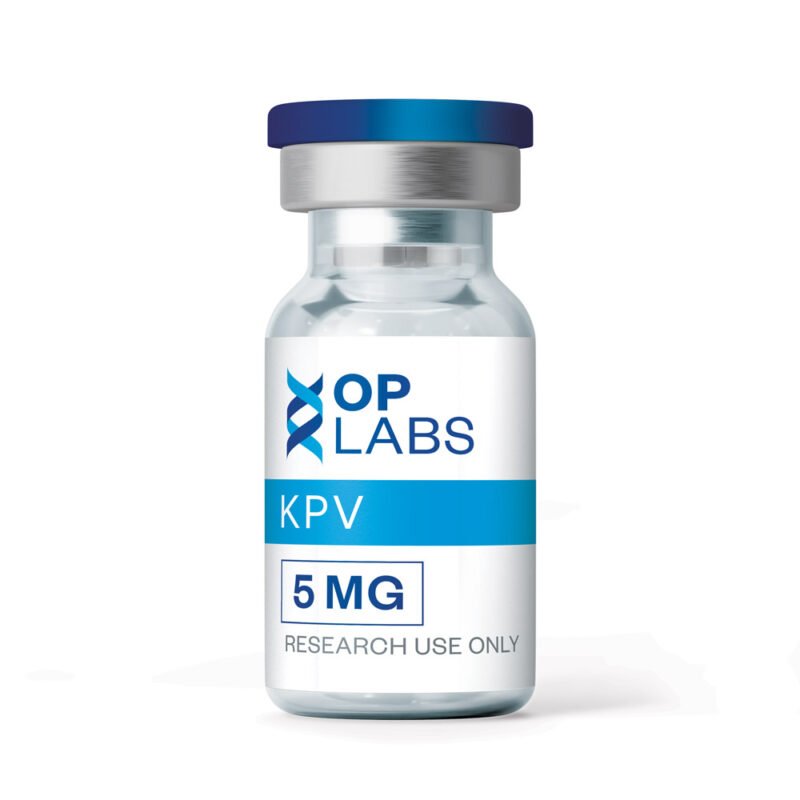
KPV is a synthetic tripeptide corresponding to amino acids 11–13 of α-melanocyte-stimulating hormone (α-MSH). It represents the minimal bioactive fragment commonly utilised in research settings to investigate melanocortin-associated signalling independently of the full-length peptide.
In biochemical and cellular research systems, KPV has been studied for its interactions with melanocortin-related pathways and downstream intracellular signalling mechanisms associated with immune modulation and inflammatory responses. Experimental studies typically examine receptor-independent and receptor-associated signalling effects, transcriptional responses, and peptide stability under controlled conditions. Observed molecular responses are dependent on experimental design, concentration, and model system, and are used to explore peptide-mediated signalling rather than defined biological or physiological outcomes.
Purity: ≥ 99 %
Appearance: White to off-white lyophilised powder
Peptide Type: Synthetic α-MSH–derived tripeptide
Molar Weight: ~342.43 g/mol
Solubility: Water, buffered aqueous solutions
Storage: –20 °C, desiccated, protected from light
Pack Size: 5 mg