Spend £150 for 20% Off | Spend £500 for 30% Off
Spend £150 for 20% Off | Spend £500 for 30% Off

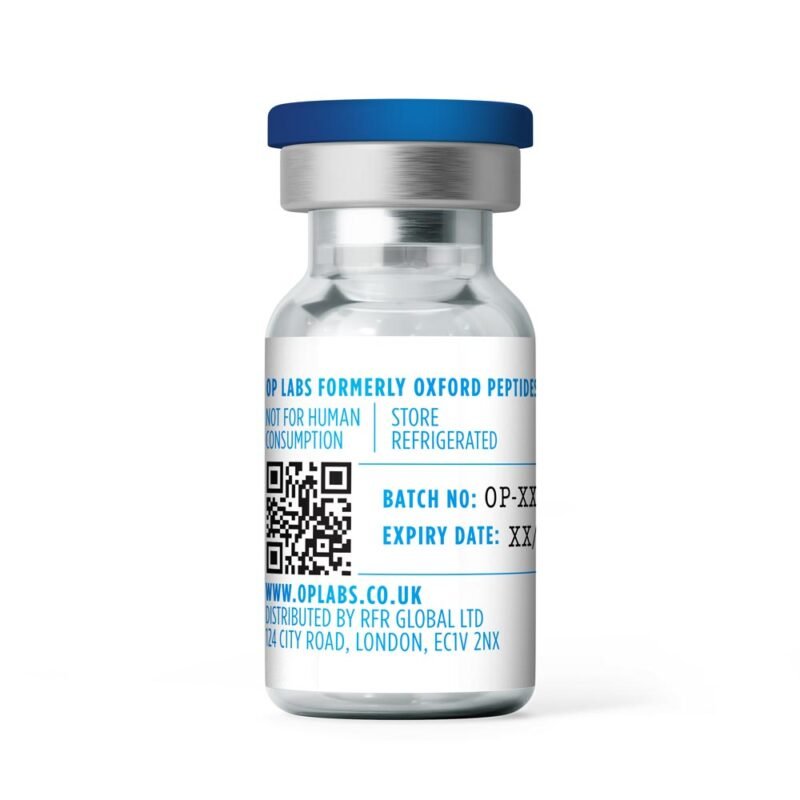



£13.95
| Volume Pricing | |
|---|---|
| Spend £150+ (20% off) | £23.12 |
| Spend £500+ (30% off) | £20.23 |
Spending over £1000? Email us your order and we will custom price.
Free shipping on orders over £20

ALL ARTICLES AND PRODUCT INFORMATION PROVIDED ON THIS WEBSITE ARE FOR INFORMATIONAL AND EDUCATIONAL PURPOSES ONLY.
The products offered on this website are furnished for in-vitro studies only. In-vitro studies are performed outside of the body. These products are not medicines or drugs and have not been approved to prevent, treat or cure any medical condition, ailment or disease. Bodily introduction of any kind into humans or animals is strictly forbidden.
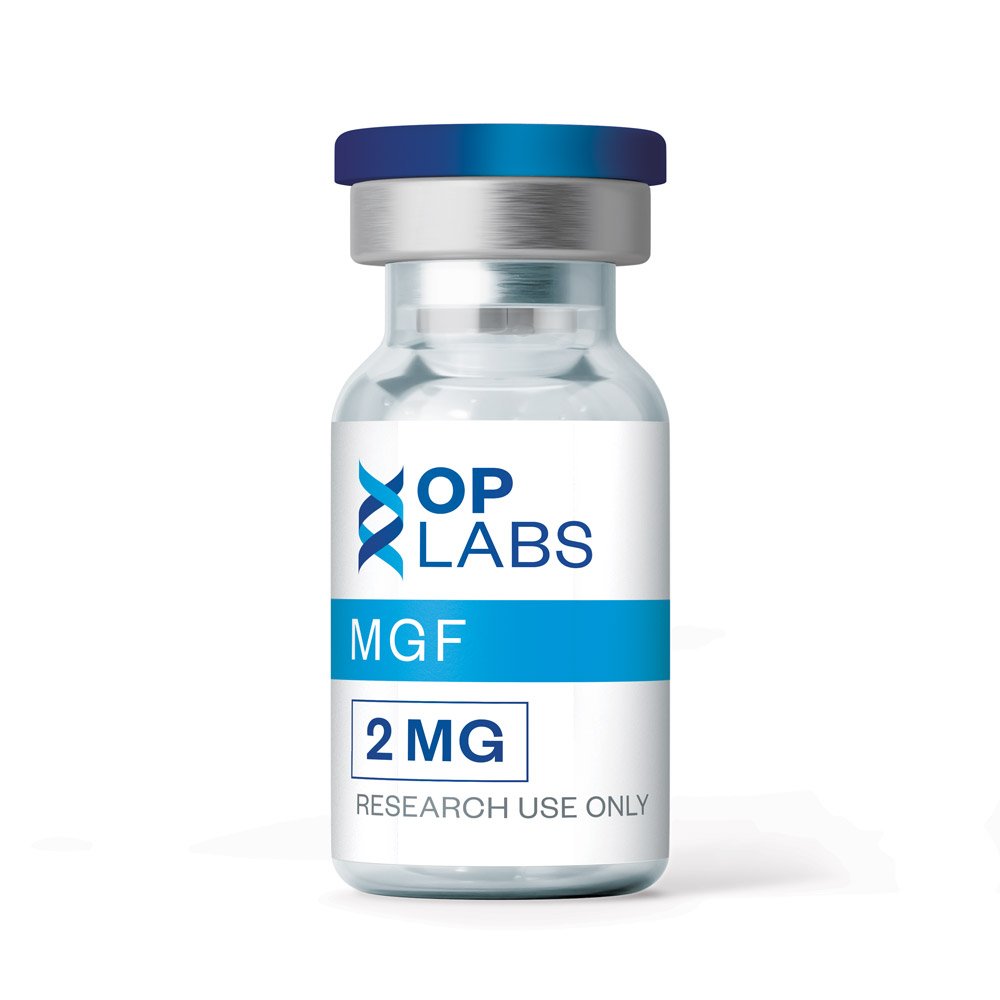
MGF (Mechano Growth Factor) is a synthetic peptide derived from the E-domain of the IGF-1 Ec splice variant. It is used in research settings to investigate mechanotransduction-associated signalling, IGF-related peptide processing, and splice-variant–specific peptide behaviour in cellular and molecular models.
In experimental systems, MGF is studied as a distinct molecular entity from full-length IGF-1, with research focusing on peptide stability, receptor interactions, and downstream signalling responses under controlled in vitro conditions. Observed effects are dependent on experimental design, peptide concentration, and model system, and are evaluated for mechanistic insight rather than defined physiological outcomes.
Purity: ≥ 99 % (analytical HPLC, typical)
Appearance: White to off-white lyophilised powder
Peptide Type: Synthetic IGF-1 splice variant–derived peptide (MGF / IGF-1Ec)
Molecular Weight: 2867.1 g/mol
Solubility: Water, buffered aqueous solutions
Storage: –20 °C, desiccated, protected from light
Pack Size: Commonly supplied as 1 mg or 5 mg
• Experimental behaviour of MGF is influenced by concentration, exposure duration, and experimental model
• As a short peptide derived from an IGF-1 splice variant, MGF may exhibit signalling characteristics distinct
from full-length IGF-1
• Buffer composition, pH, and enzymatic activity may affect peptide stability
• Peptide fragments may demonstrate rapid degradation in some in vitro systems; appropriate controls are recommended
• Intended strictly for laboratory research use; not for human or veterinary application